
Microbial genomics
for obesity research
Our research is deeply rooted in Mexico’s biodiversity, a unique reservoir of microbial diversity that we investigate not only as a scientific resource but also as a source of novel probiotics, anti-obesogenic molecules, and therapeutic platforms.
We believe that genomics should not only describe life but actively transform it into solutions for one of the greatest global health challenges: obesity.
To achieve this, our work is organized into three complementary research lines:
Synthetic biology of filamentous fungi
Engineering fungi to produce anti-obesogenic peptides and molecules, bridging basic science and biomedical innovation.
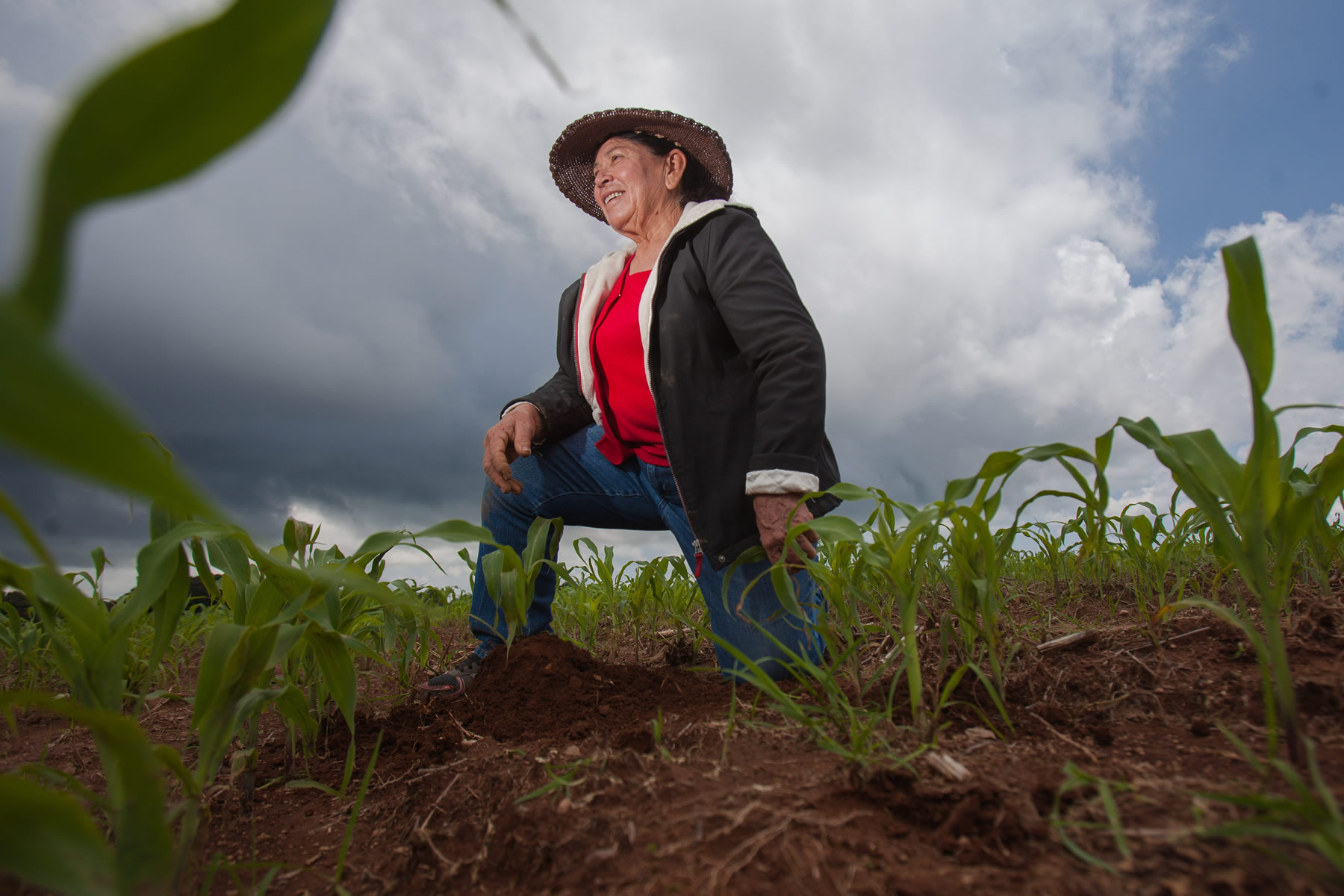
Project 1
Production of biomedical peptides in Trichoderma reesei

VALERIA MORALES & collaboration with Technical University of Munich
Project 2
Genome-wide functional genetics using RB-TDNAseq in filamentous fungi
Cinvestav & collaboration with UC Berkeley
Microbiome of the Mexican population and new probiotic fungi
Studying microbial diversity to identify beneficial fungi with potential as next-generation probiotics that improve gut and metabolic health.
Genomic mining for biomedical molecules
Using bioinformatics and functional genomics to discover novel metabolites and compounds with therapeutic applications against obesity.
Latest insights
Stay up to date with our latest publications, collaborations, and discoveries at the Laboratory of Functional Genomics for Bioprospecting.
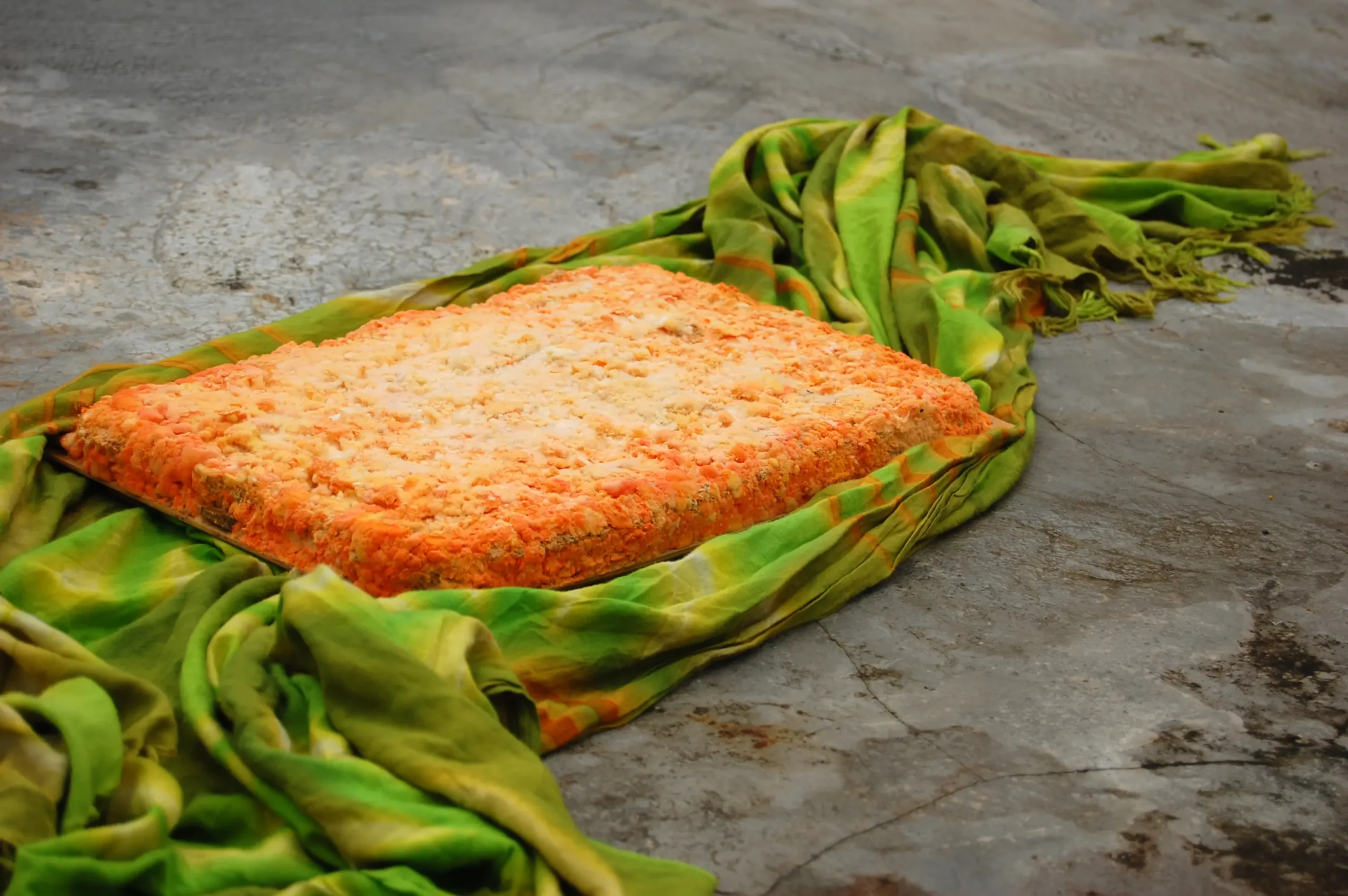
Neurospora intermedia: the Indonesian oncom fungus that turns plant residues into nutritious food
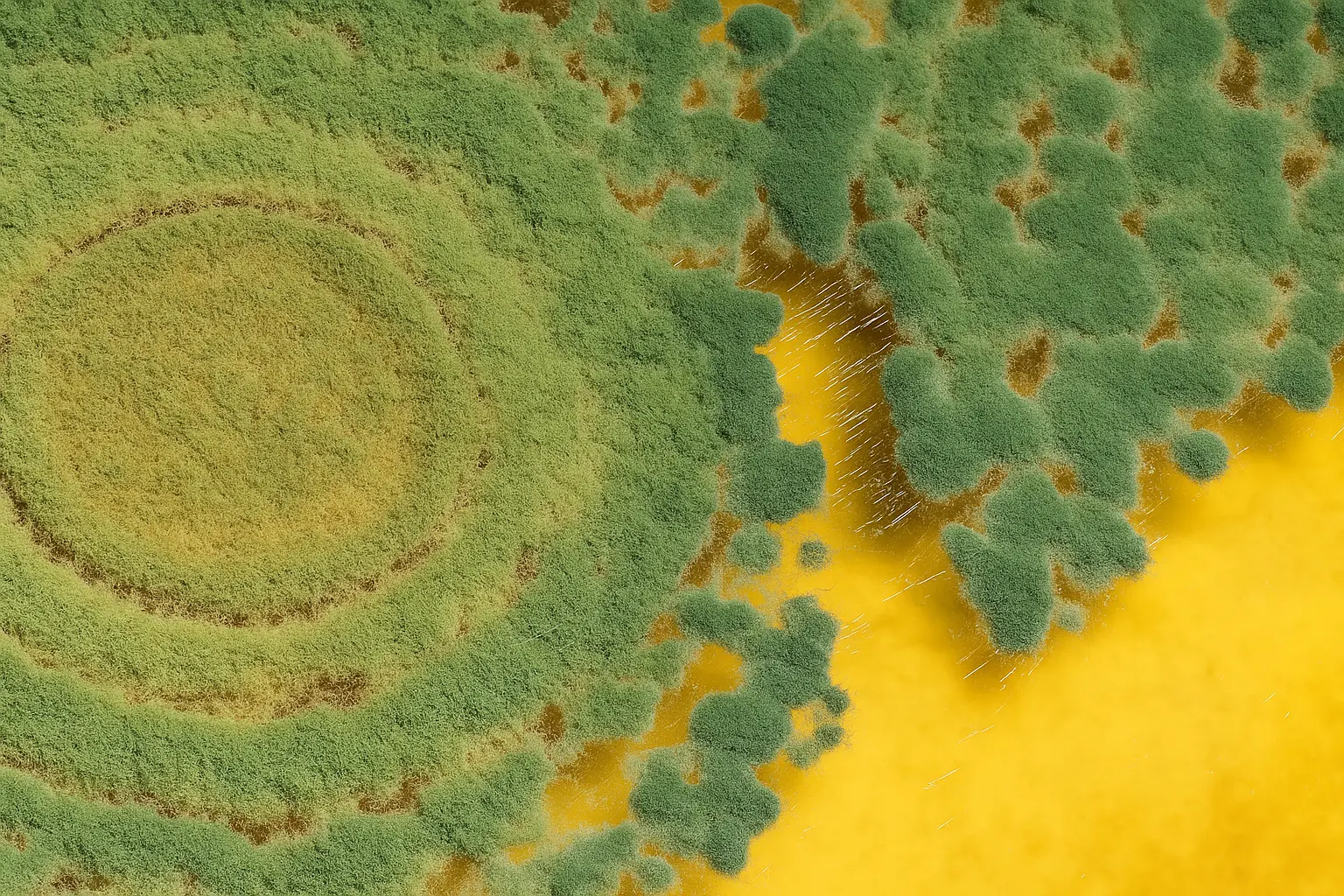
Genomics and metabolomics of Trichoderma harzianum T9: a desert fungus with potential for sustainable agriculture
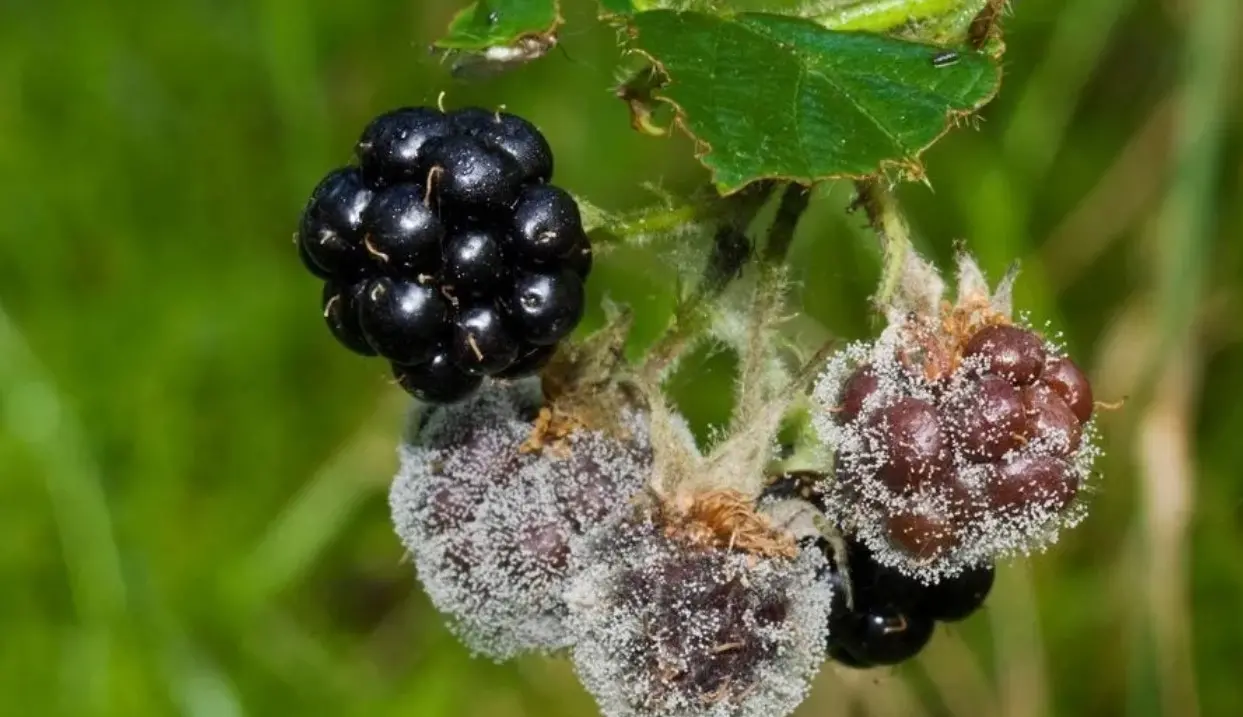
The genome of Fusarium chlamydosporum, a fungus affecting blackberry crops in Mexico, has been decoded

Deactivating RpoS: the regulator that controls adaptation and virulence in Pseudomonas aeruginosa
Open positions
If you can’t find what you’re looking for here, please contact us.
To conduct your bachelor’s thesis in Villalobos Lab:
(1) Prepare your CV with academic achievements.
(2) Email jose.villalobos@tec.mx to schedule an interview.
Thesis projects are based on ongoing research in mycology and biotechnology.
For general undergraduate admission info, visit Tec Undergraduate Admissions
First, get in touch with an educational advisor through the Tec website.
If you are specifically interested in joining Villalobos lab, email jose.villalobos@tec.mx with:
Choose one of lines: (1) Food and nutrigenomics biotechnology, (2) Bioprocess engineering, (3) Pharmaceutical and medical biotechnology.
Exam: PAEP ≥ 585 / 800
English: TOEFL ≥ 550 (80 IBT)
Two letters of recommendation
Curriculum vitae
Scholarship: CONAHCYT (full)
First, get in touch with an educational advisor through the Tec website.
If you are specifically interested in joining Villalobos lab, email jose.villalobos@tec.mx with:
Entrance Exam: PAEP ≥ 585 / 800
English: TOEFL ≥ 550 (80 IBT)
Two letters of recommendation
Curriculum vitae
Scholarship: CONAHCYT (full)
At the moment, we do not have specific opportunities open.
Contact with Dr. Villalobos
Looking to launch an OMICs collaboration or explore research–industry partnerships?
We thrive on collaboration and are committed to turning science into impact. No project is too early or too ambitious.
Email to jose.villalobos@tec.mx