
welcome
We are the Laboratory of Functional Genomics for Bioprospecting,
part of the Institute for Obesity Research at Tec Monterrey
Our mission is bold:
Decode the genomes of microorganisms and transform them into biomedical solutions against obesity and metabolic disease.
From probiotic fungi to anti-obesogenic peptides, we explore the invisible world of microbiomes to design the next generation of therapeutics, nutraceuticals, and microbial technologies.
Because understanding microbes means reshaping how we fight one of the greatest health challenges of our time.
What Makes Us Different
Collaborators
Supporting good science is at the heart of what we do.



Research lines
Fighting obesity with the power of microbiomes
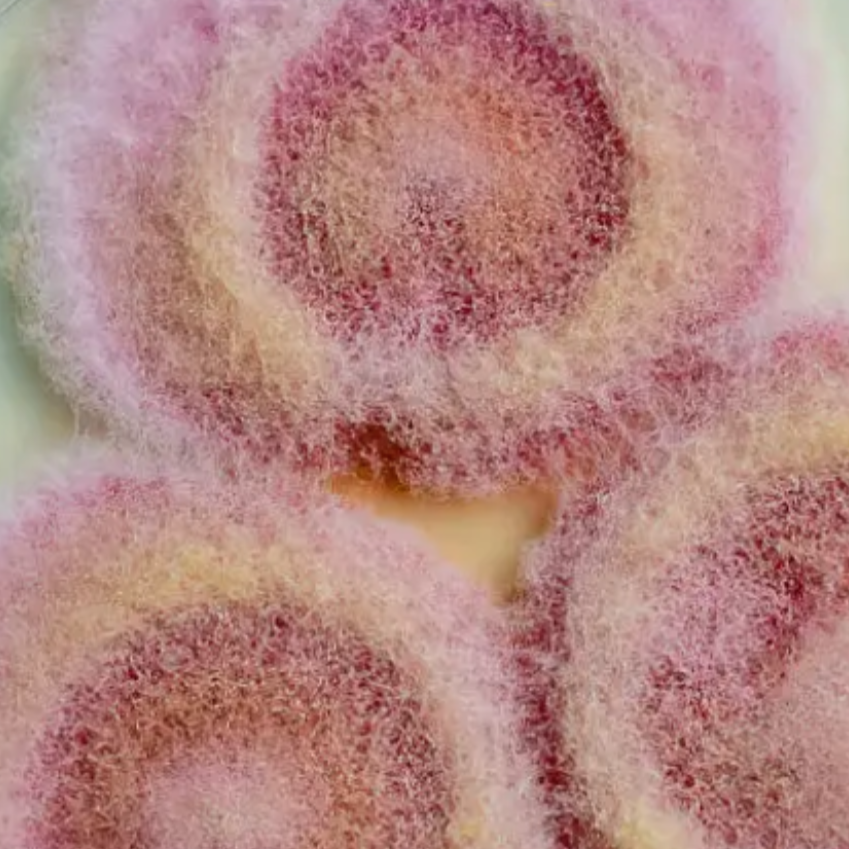
At the Laboratory of Functional Genomics for Bioprospecting, we study the genomes and metabolites of microorganisms—with a special focus on fungi—to discover new strategies that tackle obesity and related metabolic disorders.
READ MORE
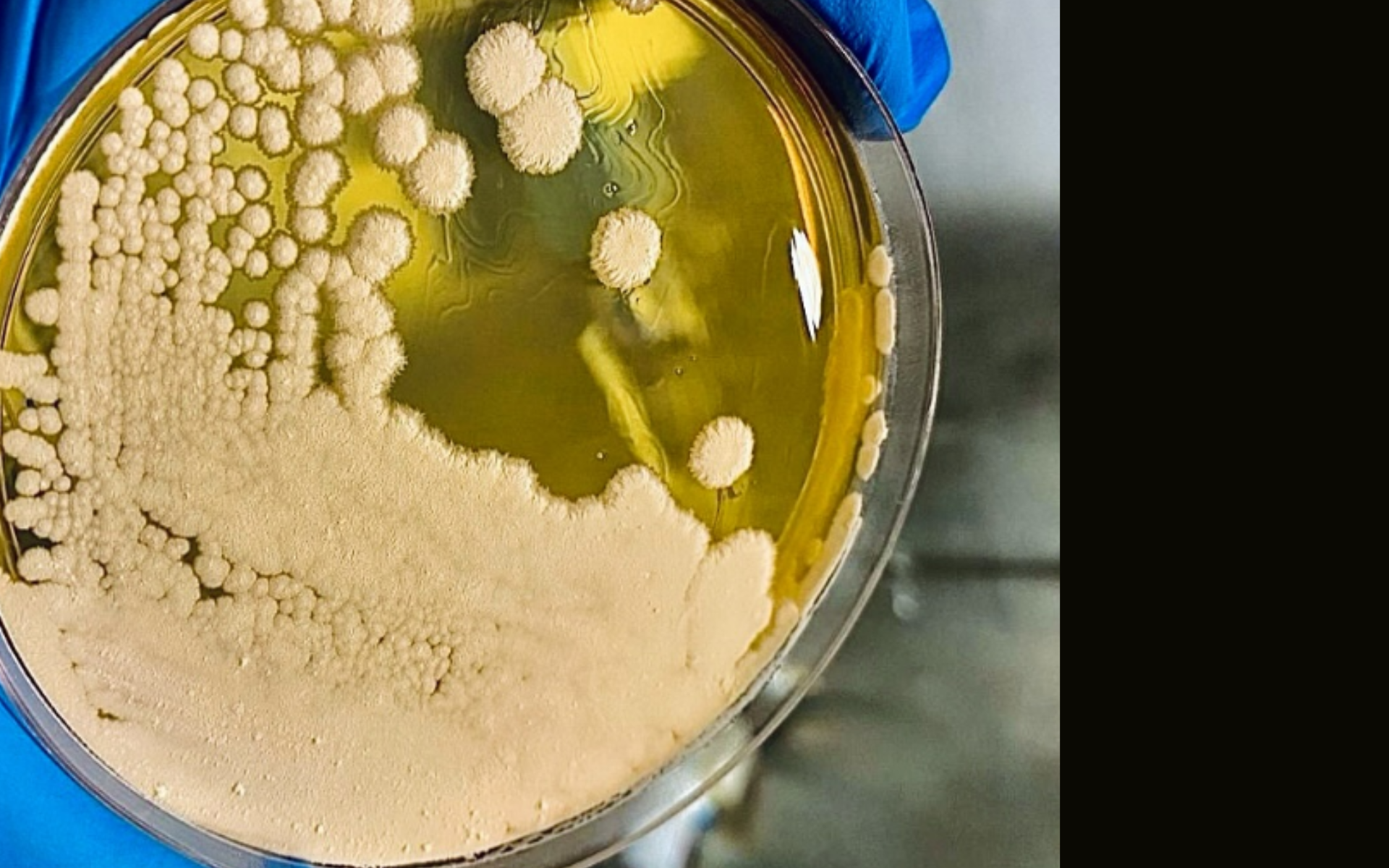
Synthetic biology of filamentous fungi
READ MORE
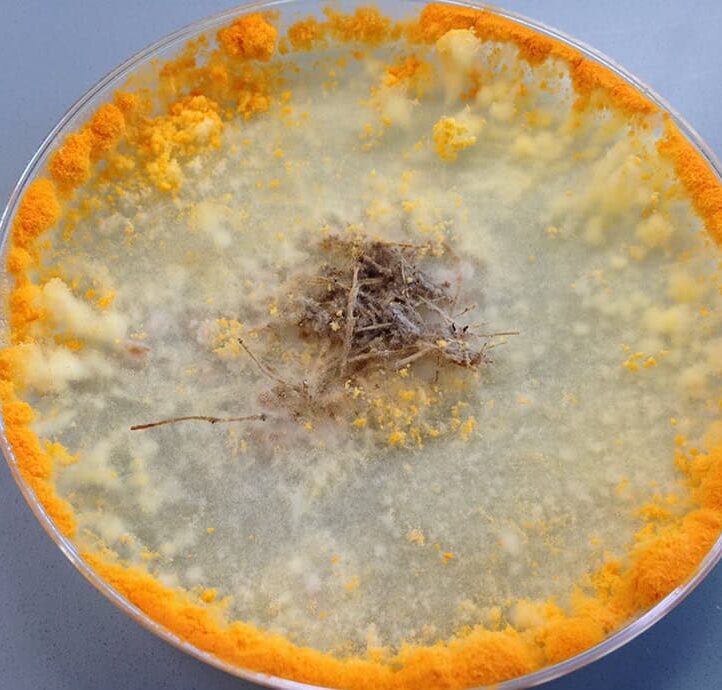
Microbiome of the Mexican population and discovery of new probiotic fungi
READ MORE
Genomic mining for biomedical molecules
in the press
Genomics is reshaping human nutrition in LATAM
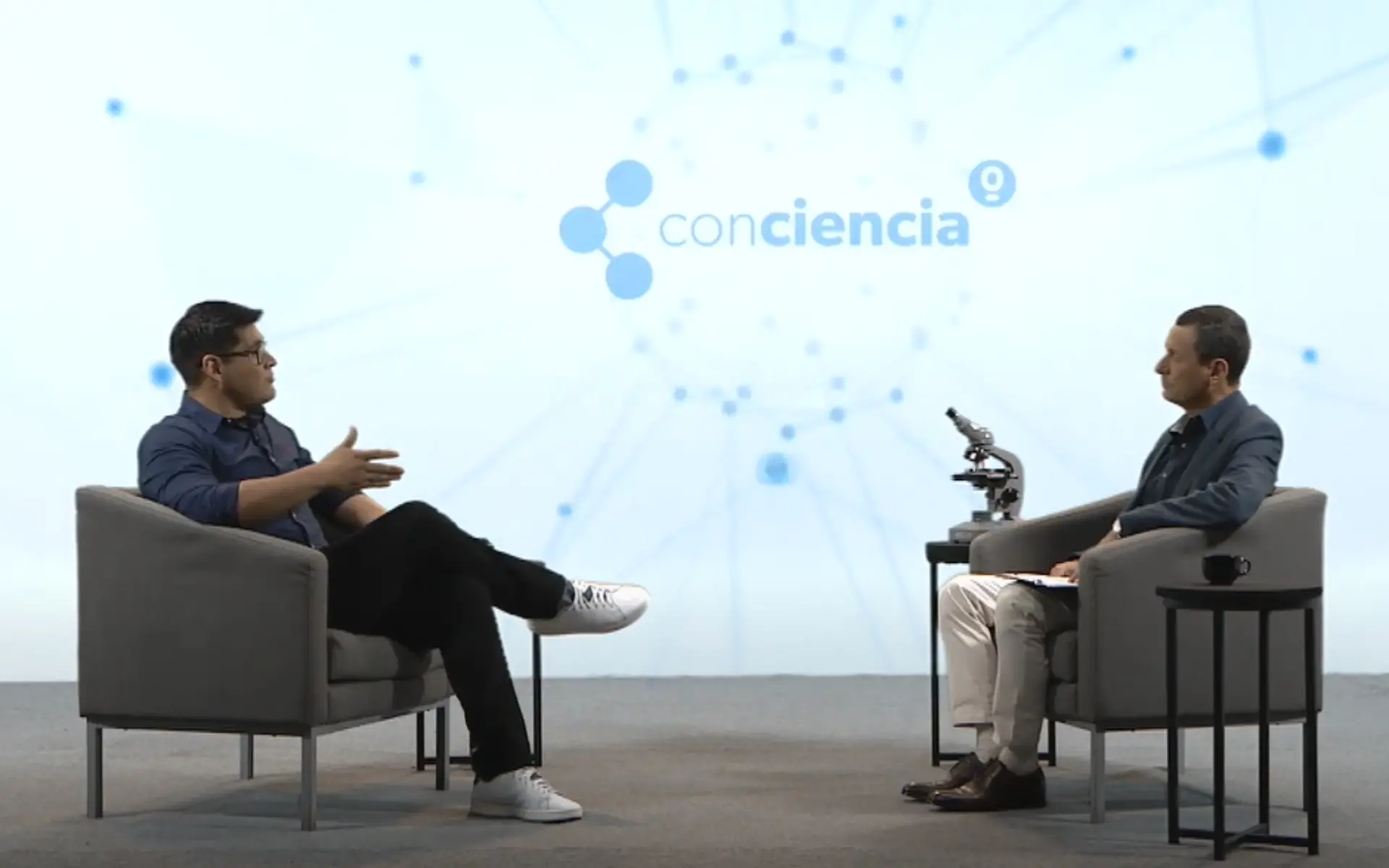
Interviewed by Dr. Gustavo Gutiérrez Espeleta (University of Costa Rica), Dr. José Manuel Villalobos (Tec de Monterrey) explained how genomics is tackling major health and food challenges in Latin America: from the rise of obesity driven by ultra-processed diets, to the loss of microbiota diversity in urban populations, and the genomic sequencing of crops like agave and papaya to protect regional food security.
Around the lab
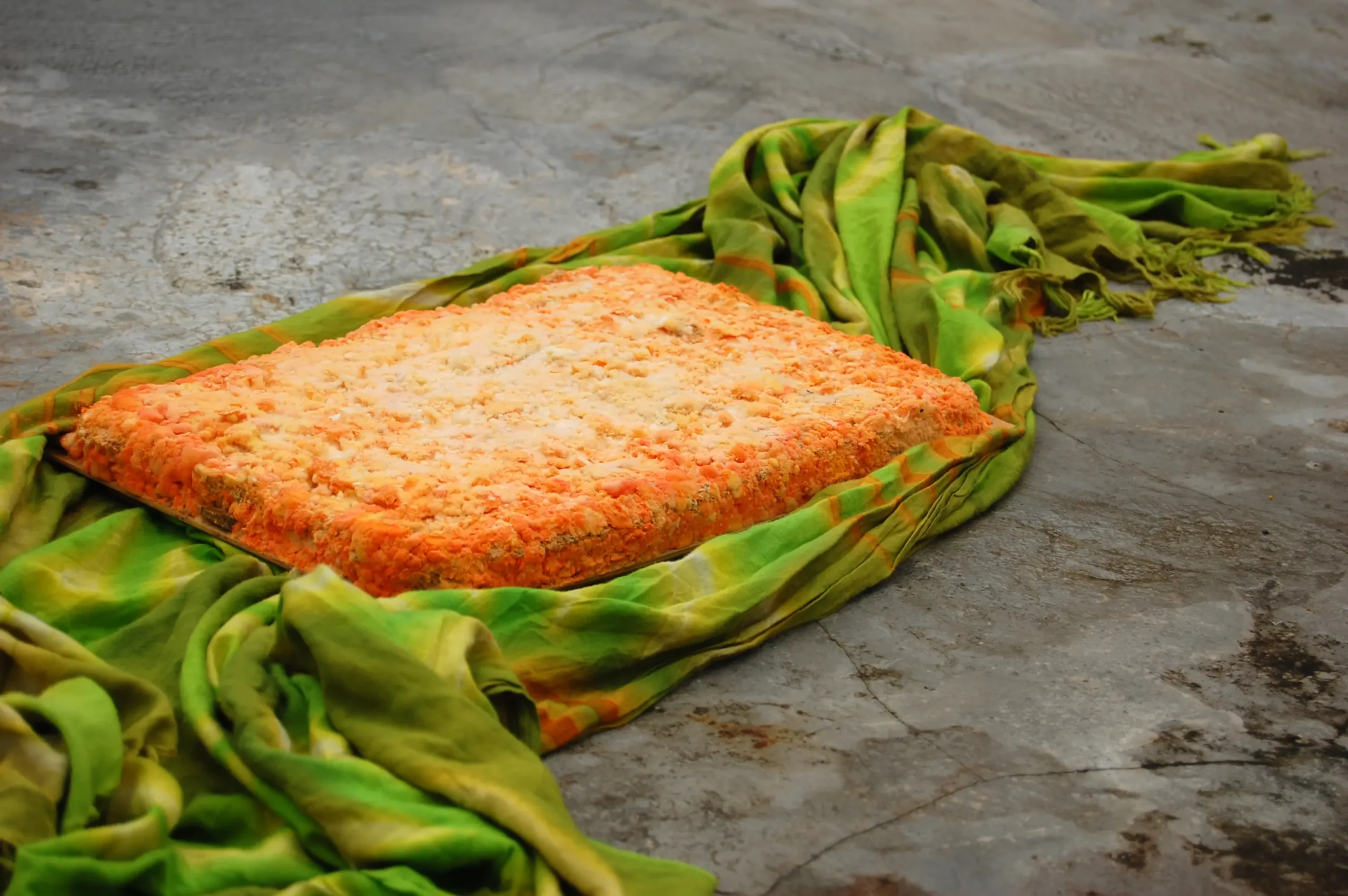
Neurospora intermedia: the Indonesian oncom fungus that turns plant residues into nutritious food
This study reveals how Neurospora intermedia, the fungus behind the traditional Indonesian ferment oncom, transforms soybean by-products into protein- and antioxidant-rich foods. Using multi-omics analyses, researchers demonstrated its ability to convert agricultural residues into safe, nutritious foods — an ancestral biotechnology with modern potential for sustainable food production.
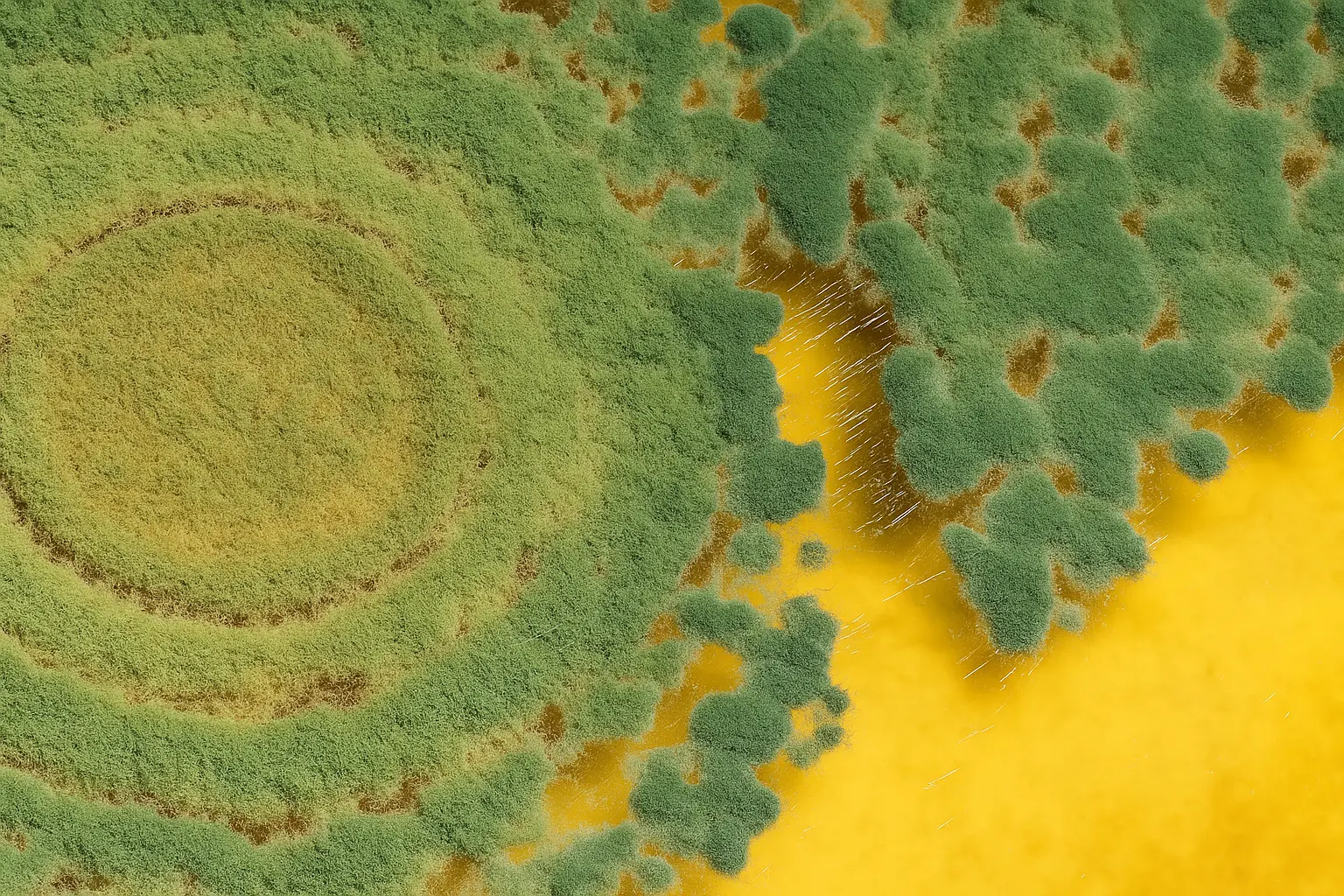
Genomics and metabolomics of Trichoderma harzianum T9: a desert fungus with potential for sustainable agriculture
The genome of Trichoderma harzianum T9, isolated from arid soils in northern Mexico, reveals remarkable genetic plasticity and strong biocontrol activity against phytopathogenic fungi. Its genomic and metabolomic analysis identifies unique pathways for antifungal compound production, offering new opportunities for sustainable and resilient agriculture through biotechnology adapted to extreme environments.
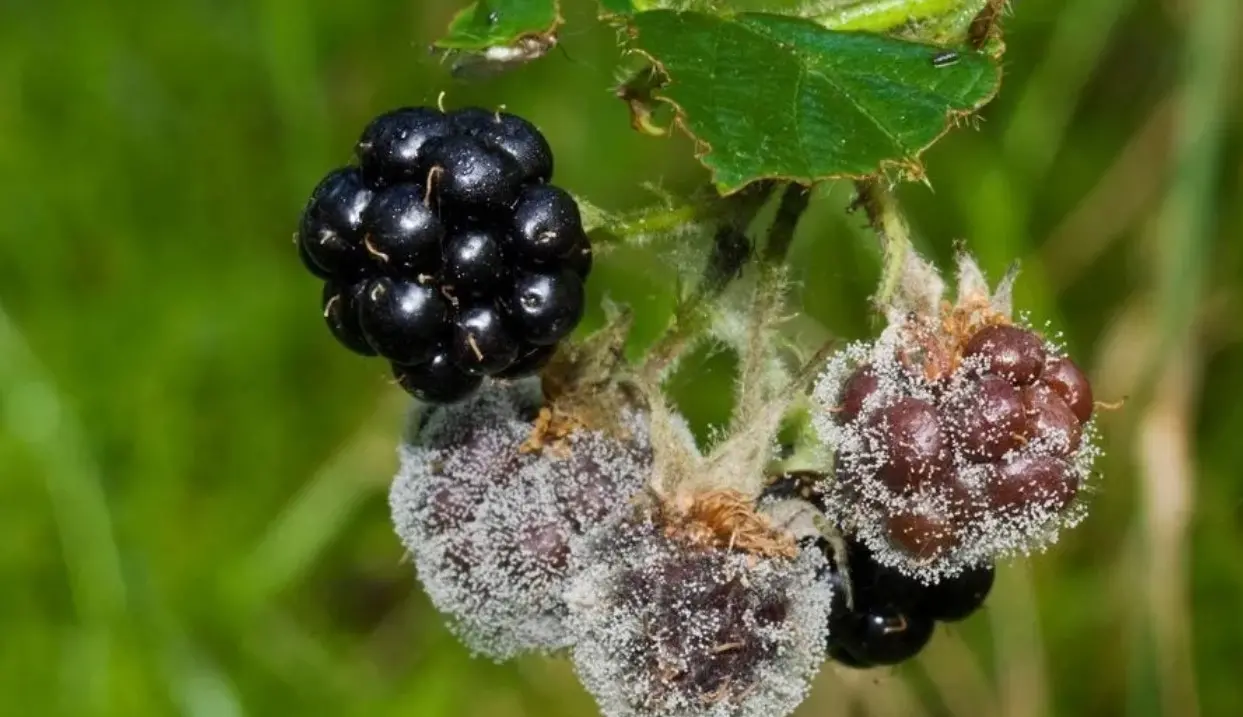
The genome of Fusarium chlamydosporum, a fungus affecting blackberry crops in Mexico, has been decoded
This study reports the hybrid genome assembly of Fusarium chlamydosporum isolated from infected blackberry fields in Michoacán, Mexico. The genome comprises 11,365 genes and reveals unique evolutionary traits distinct from F. oxysporum. These findings provide a valuable reference for plant health research and the development of molecular tools for early detection and biocontrol strategies.

Deactivating RpoS: the regulator that controls adaptation and virulence in Pseudomonas aeruginosa
Transcriptomic analysis of Pseudomonas aeruginosa PA14 lacking the sigma factor RpoS revealed more than 1,300 genes under its regulatory control. This study provides insight into how RpoS coordinates stress response and virulence in one of the most adaptable bacterial pathogens, highlighting its role as a global regulator of environmental resilience.
Open positions
If you can’t find what you’re looking for here, please contact us.
To conduct your bachelor’s thesis in Villalobos Lab:
(1) Prepare your CV with academic achievements.
(2) Email jose.villalobos@tec.mx to schedule an interview.
Thesis projects are based on ongoing research in mycology and biotechnology.
For general undergraduate admission info, visit Tec Undergraduate Admissions
First, get in touch with an educational advisor through the Tec website.
If you are specifically interested in joining Villalobos lab, email jose.villalobos@tec.mx with:
Choose one of lines: (1) Food and nutrigenomics biotechnology, (2) Bioprocess engineering, (3) Pharmaceutical and medical biotechnology.
Exam: PAEP ≥ 585 / 800
English: TOEFL ≥ 550 (80 IBT)
Two letters of recommendation
Curriculum vitae
Scholarship: CONAHCYT (full)
First, get in touch with an educational advisor through the Tec website.
If you are specifically interested in joining Villalobos lab, email jose.villalobos@tec.mx with:
Entrance Exam: PAEP ≥ 585 / 800
English: TOEFL ≥ 550 (80 IBT)
Two letters of recommendation
Curriculum vitae
Scholarship: CONAHCYT (full)
At the moment, we do not have specific opportunities open.

Contact with Dr. Villalobos
Looking to launch an OMICs collaboration or explore research–industry partnerships?
We thrive on collaboration and are committed to turning science into impact. No project is too early or too ambitious.
Email to jose.villalobos@tec.mx